Why Is My Concrete Cracking in Marietta? (2026)
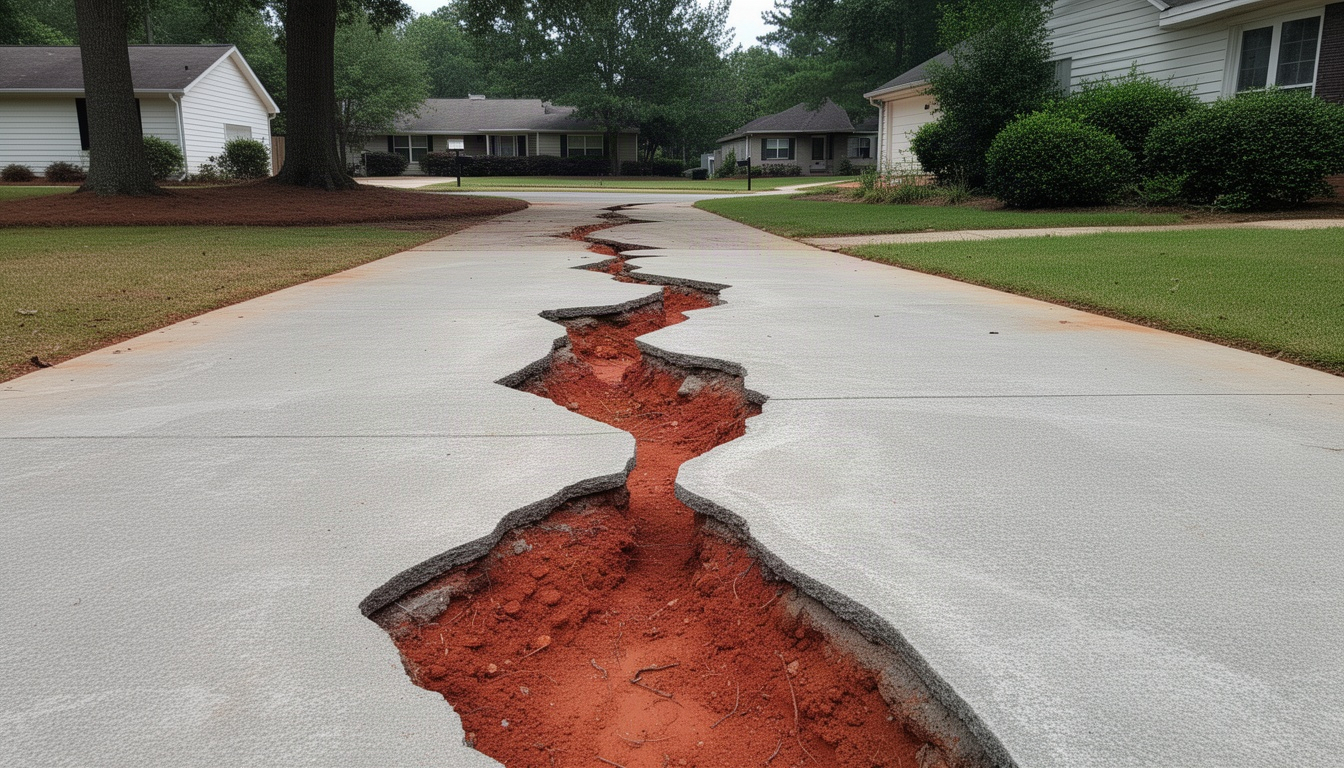
Why Is My Concrete Cracking in Marietta, GA: Dekalb Concrete serves Marietta and the surrounding area. Visit dekalbconcretellc.com for a free quote.
TL;DR: Concrete cracks in Marietta due to Georgia's expansive red clay soil, extreme temperature swings, heavy rainfall, and poor installation practices. Most cracks under ¼-inch wide are cosmetic, but wider or stepped cracks need professional evaluation. DIY crack filler costs $8–$15; professional repairs range from $300–$800 for mudjacking to $6–$12 per square foot for full replacement.
In This Article
- Why Does Concrete Crack in Marietta Specifically?
- Is Georgia Red Clay Causing Your Concrete to Crack?
- How Do Marietta's Heat, Rain, and Freeze Cycles Damage Concrete?
- What Other Factors Cause Concrete Cracks in Marietta Homes?
- How Do You Know If a Crack Is Serious or Just Cosmetic?
- How Can You Repair and Prevent Concrete Cracking in Marietta?
- Finding Reliable Concrete Repair in Marietta
- Frequently Asked Questions About Concrete Cracking in Marietta
- Next Steps: Get Your Concrete Evaluated
Why Does Concrete Crack in Marietta Specifically?
If you're noticing new cracks in your driveway, patio, or foundation slab here in Marietta, you're not alone. (Dot.gov) (Usda.gov) Concrete cracking is one of the most common complaints we hear from homeowners and property managers across Cobb County and the surrounding Atlanta metro area. The reason? Marietta's unique combination of soil type, climate, and seasonal weather patterns creates conditions that generic concrete guides simply don't address.
Unlike northern states where freeze-thaw cycles dominate, or arid regions where drying shrinkage is the primary culprit, Marietta's concrete problems stem from a perfect storm of local factors. Our red clay soil expands dramatically when wet and shrinks when dry. Summer temperatures regularly exceed 90°F, creating thermal stress that compounds over years. Heavy spring rains saturate the ground, then dry summers create drought conditions - a wet-dry cycle that pushes concrete slabs beyond their design limits.
The good news: most cracks are cosmetic and don't signal structural failure. The catch: some do, and knowing the difference can save you thousands in foundation damage. Let's break down what's actually happening beneath your concrete and what you can do about it.
Is Georgia Red Clay Causing Your Concrete to Crack?
Direct answer: Yes. Learn more about Concrete Driveway Installation services. Cobb County's red clay can expand up to 10% in volume when saturated, exerting hundreds of pounds of upward pressure per square foot on concrete slabs.
Here in Marietta, we're built on what geologists call Cecil and Madison series soils - Piedmont red clay rich in minerals like kaolinite and smectite. This isn't inert dirt. When spring rains soak the ground, these clay particles absorb water and swell. When summer drought arrives, they shrink. That expansion and contraction cycle happens directly beneath your concrete slab, and the slab has nowhere to go but up - or crack trying.
According to soil stabilization best practices, soil stabilization is the process of strengthening weak or loose soil beneath concrete so the slab has better support underneath it. Weak soil is one of the most common reasons slabs begin to sink, crack, or settle unevenly.
Picture it this way: imagine a hydraulic jack slowly pushing upward on one section of your driveway while another section settles. That's what expansive clay does. You'll typically see this as:
- Heaving cracks: Long, relatively straight lines running across the slab, often with one side slightly higher than the other
- Settlement cracks: Diagonal cracks at corners or edges where the slab has dropped unevenly
- Map cracking: A pattern of interconnected cracks resembling a road map, caused by uneven soil movement
The pattern matters because it tells you what's happening underneath. If you run your finger across a crack and one side is noticeably higher, soil movement is active - and it's likely to continue.
Key Takeaway: Marietta's clay soil expansion is the single biggest cause of concrete cracking we see on residential and commercial jobs. It's not a sign of poor installation; it's a sign of living on Piedmont geology.
The seasonal pattern is predictable. Cracks typically worsen in spring (when clay is saturated from winter and spring rains) and again in late summer (when the ground is bone-dry). If you mark a crack with a pencil and date it, you'll often see it grow slightly during these windows, then stabilize in fall and winter.
How Do Marietta's Heat, Rain, and Freeze Cycles Damage Concrete?
Direct answer: Marietta experiences significant thermal stress from summer temperatures above 90°F and freezing days in winter, creating thermal stress that causes concrete to expand and contract repeatedly - a cycle that initiates cracking over 5–15 years. For more details, see How to Prepare Ground for a Concrete Driveway in Atlanta.
Concrete isn't rigid; it moves. The coefficient of thermal expansion for concrete is approximately 5.5 to 6.5 millionths of an inch per inch per degree Fahrenheit. That sounds tiny, but it adds up fast on a large slab.
Consider a typical 20-foot driveway in Marietta. Between a 40°F winter night and a 95°F summer afternoon - a 55-degree swing that's common here - that slab expands roughly 0.07 to 0.14 inches. Repeat that cycle 365 times a year for 10 years, and you're looking at cumulative stress that concrete wasn't designed to handle without relief joints. If those joints are missing or misplaced, the slab has no choice but to crack.
Freeze-thaw cycles compound the problem. When water enters micro-cracks in concrete and freezes, it expands about 9% in volume. That expansion generates internal pressure that propagates existing cracks deeper. Marietta experiences freezing temperatures during winter months, which translates to multiple freeze-thaw cycles annually - enough to accelerate crack growth if water is present.
Rainfall is the third factor. Marietta averages approximately 52 inches of annual precipitation, with peaks in March and July. Soil movement, temperature changes, and improper installation practices all play a significant role in cracking. This moisture contributes significantly to surface damage, with water infiltrating micro-cracks and saturating the clay soil beneath. Saturated clay swells (as we discussed above), and water in cracks freezes in winter, creating a compounding cycle of expansion and contraction.
UV degradation of sealants matters too. If your concrete was sealed when it was poured, that sealer is likely degraded by now. Marietta's high UV index and humidity accelerate sealer breakdown, leaving concrete exposed to water infiltration. Resealing every 2–3 years helps prevent this, but most homeowners don't know that.
What Other Factors Cause Concrete Cracks in Marietta Homes?
Direct answer: Poor installation, tree roots, overloading, and age are the next most common causes after soil and weather.
Tree Roots and Mature Landscaping
Marietta's mature oak, pine, and Bradford pear trees are beautiful - and they're a concrete killer. Tree roots don't just grow downward; they spread laterally, often directly beneath driveways and patios. As roots thicken, they exert upward pressure that can lift a slab several inches over years.
Water oaks and silver maples, common in Cobb County subdivisions built in the 1990s and 2000s, have aggressive shallow root systems. These roots can exert hundreds of pounds of pressure, creating characteristic lifting cracks that run parallel to the tree line. If you see a crack that follows the edge of a tree's canopy, tree roots are almost certainly the culprit.
Hot-Weather Curing Problems
Concrete poured in Marietta's summer heat (above 90°F) loses moisture too rapidly if not properly protected. When evaporation rates exceed 0.2 pounds per square foot per hour - common on a hot, dry afternoon - the concrete surface shrinks faster than the interior can accommodate. The result: plastic shrinkage cracking within hours of placement, appearing as a fine network of surface cracks.
Proper curing during hot weather requires attention to control joints at regular intervals and monitoring to prevent hot-weather cracks. Many contractors pour concrete in summer because the weather is predictable, but they don't always account for Marietta's specific conditions. Proper curing requires shade, windbreaks, and moisture retention - steps that add cost and time.
Missing or Misplaced Control Joints
Control joints should be placed every 8–10 feet in residential concrete to allow for thermal expansion and contraction. If a contractor skips this step or spaces joints too far apart, the concrete has nowhere to move except by cracking. This is one of the most common installation errors we see on older driveways and patios in Marietta.
Overloading and Heavy Vehicles
Residential driveways are typically designed for passenger cars and light trucks. If you're parking an RV, heavy construction equipment, or regularly loading the slab with weight it wasn't designed for, cracks will develop. This is especially true if the subgrade (the soil beneath the concrete) is poor or if the slab thickness is inadequate for the load.
How Do You Know If a Crack Is Serious or Just Cosmetic?
Direct answer: Cracks under ¼-inch wide with no vertical displacement are typically cosmetic; wider or stepped cracks warrant immediate professional evaluation.
Here's a simple self-diagnosis framework:
Width matters. Hairline cracks (less than 1/16-inch) are almost always cosmetic. Moderate cracks (1/16 to ¼-inch) are usually cosmetic but worth monitoring. Cracks wider than ¼-inch need professional assessment.
Vertical displacement is a red flag. Run your finger across the crack. If one side is noticeably higher than the other - even by 1/8-inch - soil movement is active and ongoing. This indicates structural concern, especially if the crack is near a foundation or if it's growing.
Pattern tells a story. Hairline shrinkage cracks — thin, web-like, appear soon after the concrete cures and are usually cosmetic. Stair-step or diagonal cracks typically signal soil movement beneath the slab or foundation. Horizontal cracks, or cracks with an offset (one side higher than the other), are a stronger indicator of a sinking foundation.
Location matters. Cracks near a foundation, under a load-bearing wall, or adjacent to a basement are more serious than cracks in a driveway away from the house. Cracks that allow water to pool or drain into the foundation need immediate attention.
Growth rate is critical. Mark the ends of a crack with a pencil and note the date. Check it again in 30 days. If it's grown noticeably, professional evaluation is warranted. If it's stable, it's likely cosmetic.
When in doubt, call a licensed concrete contractor. A professional can assess crack patterns, perform a vertical displacement test, and determine whether the issue is cosmetic or structural. Here in Marietta, firms like Dekalb Concrete offer free evaluations and can tell you exactly what you're dealing with.
How Can You Repair and Prevent Concrete Cracking in Marietta?
Direct answer: Most surface cracks can be filled with polyurethane caulk ($8–$15 per tube) for cosmetic repair, while structural cracks require mudjacking ($300–$800 per area) or slab replacement ($6–$12 per square foot in the Metro Atlanta market).
DIY Repair for Cosmetic Cracks
If the crack is under ¼-inch wide, has no vertical displacement, and isn't near a foundation, you can attempt a DIY fix:
- Clean the crack thoroughly with a wire brush and compressed air to remove dirt and debris
- Dry it completely with a shop towel or heat gun
- Apply polyurethane crack filler (available at any home center) using a caulk gun, filling slightly above the surface
- Smooth it with a wet finger or caulk tool
- Allow it to cure per product instructions (typically 24–48 hours)
- Seal the repair with a concrete sealer to protect the filler from UV and water
This approach works for cosmetic cracks but won't address the underlying cause. If the crack is caused by soil movement or thermal stress, it will likely reopen.
Professional Repair Options
Mudjacking (also called slab jacking) is the most cost-effective solution for settled or heaving slabs. A contractor drills small holes in the slab and pumps a slurry of soil, cement, and water beneath it to lift and level the surface. Cost typically ranges from $300–$800 per area (roughly 100–200 square feet). The slab is restored to level, and cracks often close. This works well for clay-related settlement in Marietta.
Epoxy injection is used for structural cracks in reinforced concrete (like foundations). Epoxy is injected under pressure into the crack, bonding the concrete back together. Cost varies widely ($500–$2,000+) depending on crack length and depth.
Full slab replacement is necessary if the slab is severely damaged, if cracks are widespread, or if the subgrade is compromised. Expect $6–$12 per square foot in the Marietta area, plus removal and disposal costs. A 200-square-foot patio replacement might cost $1,200–$2,400.
Prevention Strategies for Marietta Conditions
Proper soil compaction and base preparation are non-negotiable. Before concrete is poured, the subgrade should be compacted to 95% of maximum density, and a 4–6-inch well-graded gravel base should be installed. This reduces settlement and provides drainage. Many cracks in older Marietta homes stem from inadequate base prep - a mistake that's expensive to fix later.
Control joints every 8–10 feet allow the slab to expand and contract without cracking. If you're having new concrete poured, insist on proper joint spacing and placement.
Manage drainage away from the slab. Ensure gutters and downspouts direct water away from the foundation and concrete. Saturated soil beneath a slab accelerates clay expansion and settlement. Grade the landscape so water runs away from the house.
Apply a concrete sealer every 2–3 years. A quality sealer prevents water infiltration, reducing freeze-thaw damage and clay saturation. This is one of the cheapest preventive measures available. Concrete is strong under compression (being pushed down), but it is relatively weak under tension (being pulled apart), making sealing especially important.
Tree root management. If large trees are near concrete, consider installing root barriers during landscaping or maintaining a 10-foot clearance from the tree trunk. Existing trees with roots already under concrete are harder to address; mudjacking or slab replacement may be necessary.
Avoid overloading. Don't park heavy equipment or RVs on residential driveways designed for passenger vehicles. If you need to, reinforce the slab or designate a separate parking area.
Finding Reliable Concrete Repair in Marietta
When cracks require professional attention, choosing the right contractor matters. You want someone who understands Marietta's specific soil and climate challenges, not a generic contractor applying one-size-fits-all solutions.
Look for a licensed, insured concrete contractor with local experience. They should be able to diagnose the cause of your cracking (clay expansion, thermal stress, poor installation, tree roots, or a combination) and recommend the right repair method. A reputable contractor will offer a free evaluation, explain what they're seeing, and provide transparent pricing before starting work.
Dekalb Concrete serves Marietta, Atlanta, DeKalb, Gwinnett, Roswell, and surrounding areas. They specialize in concrete repair, mudjacking, and new installations tailored to Georgia's clay soil and weather conditions. They offer free estimates and can assess whether your cracks are cosmetic or structural. If you're ready to address cracking, calling for a free evaluation is a smart first step.
Frequently Asked Questions About Concrete Cracking in Marietta
How much does concrete crack repair cost in Marietta? You can also explore the areas we serve.
Direct Answer: DIY crack filler costs $8–$15 per tube; professional mudjacking runs $300–$800 per area; full slab replacement costs $6–$12 per square foot in the Metro Atlanta market.
For a small cosmetic crack, DIY filler is the cheapest option. For a settled or heaving slab affecting a 200-square-foot area, mudjacking typically costs $300–$800 and restores the slab to level. Full replacement of the same area would cost $1,200–$2,400. The right choice depends on the crack severity and underlying cause.
Is it better to repair or replace a cracked concrete driveway in Marietta?
Direct Answer: Repair (mudjacking or crack filling) is better if the crack is cosmetic or caused by settlement; replacement is necessary if the slab is severely damaged, widespread cracking exists, or the subgrade is compromised.
If a single crack is caused by soil movement and the slab is otherwise sound, mudjacking lifts and levels the slab, often closing the crack. If the slab has multiple cracks, spalling, or structural damage, replacement is more cost-effective long-term. A professional evaluation will clarify which option makes sense for your situation.
Can Georgia red clay soil really lift a concrete slab?
Direct Answer: Yes. Cobb County's red clay can expand up to 10% in volume when saturated, exerting hundreds of pounds of upward pressure per square foot - enough to lift a slab several inches over time.
This is the primary cause of heaving and cracking in Marietta. When spring rains saturate the clay, it swells. When summer drought arrives, it shrinks. That cycle repeats year after year, gradually lifting and cracking the slab. Proper soil compaction and drainage during installation help minimize this, but it's a persistent challenge in our area.
How do I stop my concrete from cracking in hot weather?
Direct Answer: Ensure proper curing (shade, moisture retention, windbreaks) during and after placement; apply a concrete sealer every 2–3 years; install control joints every 8–10 feet; and manage drainage to prevent soil saturation.
If you're having new concrete poured in summer, the contractor should protect it from rapid evaporation with shade cloth, misting, or curing compound. For existing concrete, resealing every 2–3 years prevents water infiltration and reduces freeze-thaw damage. Proper drainage keeps the soil beneath the slab from becoming oversaturated, which reduces clay expansion stress.
Are concrete cracks in Marietta covered by homeowners insurance?
Direct Answer: Most homeowners insurance policies do not cover concrete cracking caused by settling, soil movement, or poor installation - these are considered maintenance issues, not sudden damage.
Cracking from a sudden event (like a vehicle impact or foundation failure from a burst pipe) might be covered, but you'd need to file a claim and have the damage assessed. Check your policy or contact your insurer for specifics. In most cases, concrete repair is the homeowner's responsibility.
How long does a concrete repair in Marietta typically last?
Direct Answer: DIY crack filler lasts 2–5 years; mudjacking typically lasts 10–20 years; full slab replacement lasts 25–40 years, depending on maintenance and soil conditions.
Crack filler is a temporary cosmetic fix and will need reapplication as the concrete continues to move. Mudjacking restores a settled slab to level but doesn't prevent future movement if the underlying cause (clay expansion, poor drainage) isn't addressed. Full replacement provides the longest lifespan, especially if proper base preparation and drainage are implemented.
When do cracks in concrete indicate a foundation problem?
Direct Answer: Cracks near a foundation, cracks with significant vertical displacement, cracks that are growing rapidly, or cracks that allow water to pool or drain toward the foundation indicate potential structural concern and warrant professional evaluation.
Cosmetic cracks in a driveway away from the house are usually not a foundation issue. But if cracks are near the foundation, especially if they're widening or if water is pooling in them, the underlying soil movement could eventually affect the foundation. A structural engineer or experienced concrete contractor can assess whether foundation reinforcement is needed.
Next Steps: Get Your Concrete Evaluated
Concrete cracking is frustrating, but it's also fixable - and the sooner you address it, the cheaper the repair. If you're noticing new or worsening cracks in your Marietta driveway, patio, or foundation slab, the first step is a professional evaluation to determine the cause and the right repair method.
Call Dekalb Concrete for a free estimate. They'll assess your cracks, explain what's causing them, and recommend the most cost-effective solution. Whether it's a simple DIY crack filler, mudjacking to restore a settled slab, or planning for future prevention, you'll have a clear path forward.
Don't wait for small cracks to become big problems. Reach out today.
Ready to Get Started?
For personalized guidance, visit Dekalb Concrete to learn how we can help.
Frequently Asked Questions
Why Does Concrete Crack in Marietta Specifically?
If you're noticing new cracks in your driveway, patio, or foundation slab here in Marietta, you're not alone. (Dot.gov) (Usda.gov) Concrete cracking is one of the most common complaints we hear from homeowners and property managers across Cobb County and the surrounding Atlanta metro area. The reason? Marietta's unique combination of soil type, climate, and seasonal weather patterns creates conditions that generic concrete guides simply don't address.
Is Georgia Red Clay Causing Your Concrete to Crack?
Direct answer: Yes. Learn more about Concrete Driveway Installation services. Cobb County's red clay can expand up to 10% in volume when saturated, exerting hundreds of pounds of upward pressure per square foot on concrete slabs.
How Do Marietta's Heat, Rain, and Freeze Cycles Damage Concrete?
Direct answer: Marietta experiences significant thermal stress from summer temperatures above 90°F and freezing days in winter, creating thermal stress that causes concrete to expand and contract repeatedly - a cycle that initiates cracking over 5–15 years. For more details, see How to Prepare Ground for a Concrete Driveway in Atlanta.
What Other Factors Cause Concrete Cracks in Marietta Homes?
Direct answer: Poor installation, tree roots, overloading, and age are the next most common causes after soil and weather.
How Do You Know If a Crack Is Serious or Just Cosmetic?
Direct answer: Cracks under ¼-inch wide with no vertical displacement are typically cosmetic; wider or stepped cracks warrant immediate professional evaluation.
How Can You Repair and Prevent Concrete Cracking in Marietta?
Direct answer: Most surface cracks can be filled with polyurethane caulk ($8–$15 per tube) for cosmetic repair, while structural cracks require mudjacking ($300–$800 per area) or slab replacement ($6–$12 per square foot in the Metro Atlanta market).
Is it better to repair or replace a cracked concrete driveway in Marietta?
Repair (mudjacking or crack filling) is better if the crack is cosmetic or caused by settlement; replacement is necessary if the slab is severely damaged, widespread cracking exists, or the subgrade is compromised.
Can Georgia red clay soil really lift a concrete slab?
Yes. Cobb County's red clay can expand up to 10% in volume when saturated, exerting hundreds of pounds of upward pressure per square foot - enough to lift a slab several inches over time.
How do I stop my concrete from cracking in hot weather?
Ensure proper curing (shade, moisture retention, windbreaks) during and after placement; apply a concrete sealer every 2–3 years; install control joints every 8–10 feet; and manage drainage to prevent soil saturation.
Are concrete cracks in Marietta covered by homeowners insurance?
Most homeowners insurance policies do not cover concrete cracking caused by settling, soil movement, or poor installation - these are considered maintenance issues, not sudden damage.